The automation and optimisation of logistics processes are key to an efficient supply chain
This piece is an article that appeared in the monthly magazine TSLbiznes (1/2022).
GDP Standards: The Cornerstone of Pharmaceutical Distribution
When discussing the broader logistics of the pharmaceutical market, it is impossible not to mention the GDP (Good Distribution Practice) standard, which sets out safety principles for the receipt, storage and organisation of transport. Whilst the implementation, compliance with and periodic verification of GDP primarily apply to manufacturers, entities providing storage, transport and distribution services, as well as retailers of medicines, the requirements of the quality system also impose – albeit not explicitly – on IT solution providers as well. According to GDP, healthcare products must be guaranteed, amongst other things: high and consistent quality of logistics services and uniform parameters at every stage of their supply chain (from production to distribution). In turn, systems designed to support the implementation of distribution and transport processes through their functionality are intended to ensure these crucial aspects, with a view to maintaining the efficiency of the cold chain. To a large extent, it is the IT infrastructure that is responsible for the efficient running and execution of optimally planned operations.
Technology and the computerisation of processes are essential
The transport of sensitive and high-value goods must be supported by state-of-the-art technology, leaving no room for error. “To maintain the high quality and safety of pharmaceutical products, it is crucial to ensure the required temperature conditions,” emphasises Paweł Garbacz, Director of Development at Omecon. The challenge lies in organising transport and distribution in an uninterrupted manner at every stage of the supply chain. “To ensure the safety of storage, transport and distribution, the ability to react immediately to any changes – particularly in temperature – is invaluable,” he adds.
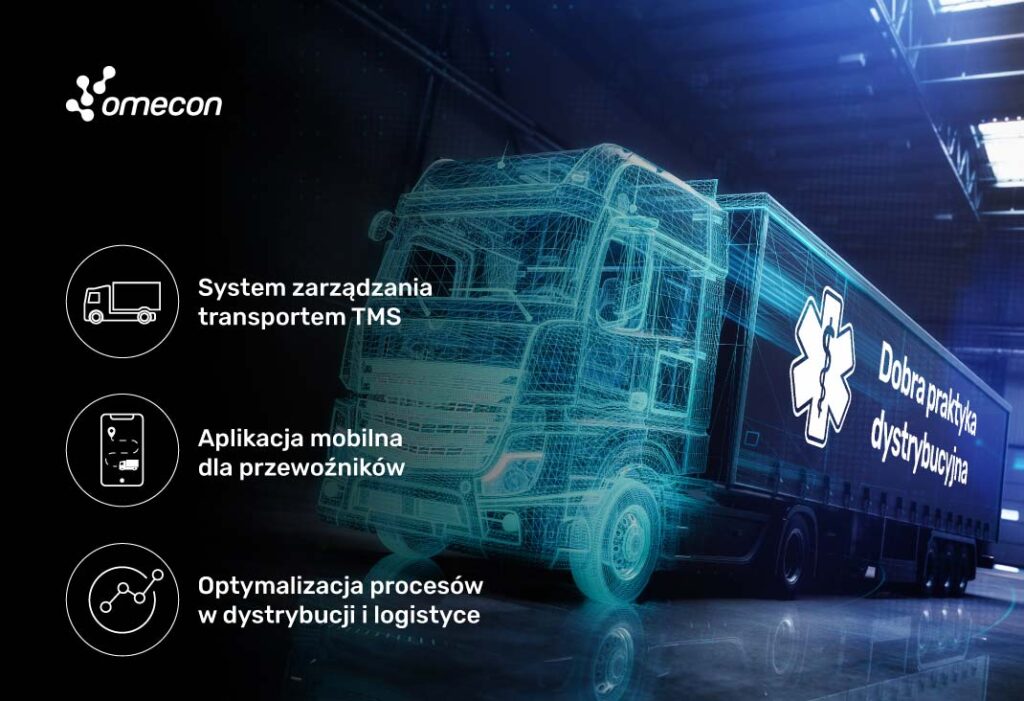
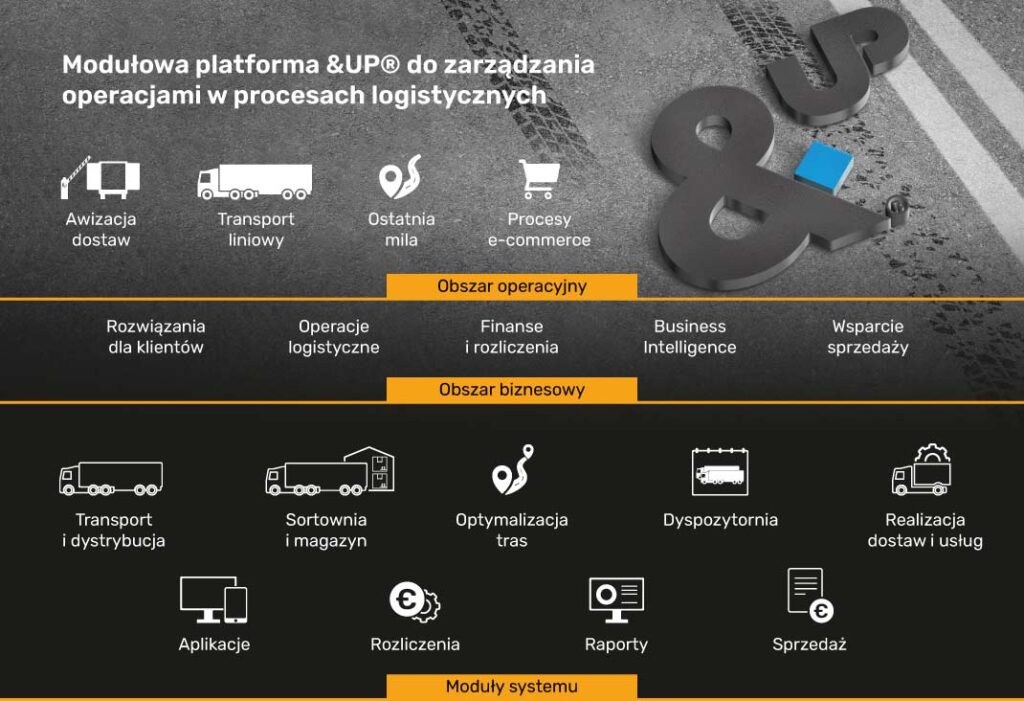
In an era of constant collection, aggregation and processing of vast amounts of data, the effective flow of information is of paramount importance, particularly in pharmaceutical distribution, where time and punctuality are of strategic importance for the quality of transport and delivery services. The process of route planning between the manufacturer and wholesalers (warehouses), followed by distribution to end customers (pharmacies and hospitals), must be computerised and, to a large extent, supported by optimisation algorithms. Effective coordination of transport operations and route planning using these algorithms is of the utmost importance. One solution to these needs is the &UP® TMS transport management system, which provides support for planning routes and timetables, executing and monitoring logistics and distribution operations, and verifying the settlement of completed orders. Implementing a TMS-class system enables the optimisation of loading and unloading processes and increases efficiency by handling a greater number of shipments. It also delivers time savings by reducing the time taken to respond to any changes in route schedules and by automating carrier settlements,” concludes Paweł Garbacz.
Timeliness and efficiency as indicators of logistics service quality
In the case of the last mile in the distribution of medicinal products, IT support plays a role no less important than the means of transport itself, which is equipped with devices ensuring optimal temperature and transport conditions. The &UP® mobile app for monitoring and managing deliveries is designed to meet the necessary procedures applied in the wholesale distribution of supplies to pharmacies and hospitals. Thanks to the real-time temperature monitoring function, the carrier is able to maintain and control the temperature in real time and take appropriate action in the event of an emergency. In the event of any deviations, the sensors responsible for reading the temperature in the refrigerated compartment send an alert to the app indicating that the required value has been exceeded. In turn, thanks to the immediate exchange of data with the central system, it is possible to report current temperature statuses to customers or confirm that the temperature has been maintained throughout the entire delivery route,’ comments Paweł Garbacz. It is also worth mentioning that the application provides comprehensive support to the carrier throughout the entire distribution process, from the moment of order picking and vehicle loading, through the execution of subsequent deliveries on the list, through to settlements with customers and, where justified, even the collection of returnable packaging.
“The transport of sensitive and high-value goods must be supported by state-of-the-art technology, leaving no room for error. The challenge lies in organising transport and distribution in a seamless manner at every stage of the supply chain. To ensure the safety of storage, transport and distribution, the ability to react immediately to any changes – particularly in temperature – is invaluable,” emphasises Paweł Garbacz, Director of Development at Omecon.
Cost reduction and increased efficiency are values that cannot be overestimated
However, the strict requirements do not apply solely to temperature monitoring but also to time constraints during transit itself. One of the many benefits of using this application, which is highly valued by customers, is the improvement in on-time delivery and, consequently, the efficiency of the delivery process, which directly translates into better service for pharmacies and hospitals. However, to achieve satisfactory results in this regard, a detailed analysis of transport issues and their subsequent optimisation is necessary.
Our many years of experience show that, in pharmaceutical distribution processes, it is of key importance to define fixed, optimal and, at the same time, highly feasible transport zones for the distribution network – adds Krzysztof Hołowacz, director of optimisation projects. This is one of the five services we offer our clients as part of our optimisation activities:
1. Route planning, i.e. determining the order in which orders are fulfilled, tailored to the required time slots whilst minimising route lengths and cost parameters.
2. Order consolidation, taking into account the above criteria as well as weight and volume restrictions, goods transport conditions and fleet parameters.
3. Determining the number and location of branches/distribution centres.
4. Division into transport zones, taking into account delivery frequency and/or projected sales along the route.
5. Geocoding, i.e. converting a postal address into geographical coordinates.
We base our geographical optimisations on up-to-date digital maps, determining the fastest and/or shortest or most cost-effective routes, taking into account road, time and fleet constraints. In turn, we provide the planner using the application with a comprehensive suggestion mechanism to generate alternative scenarios based on specified criteria.
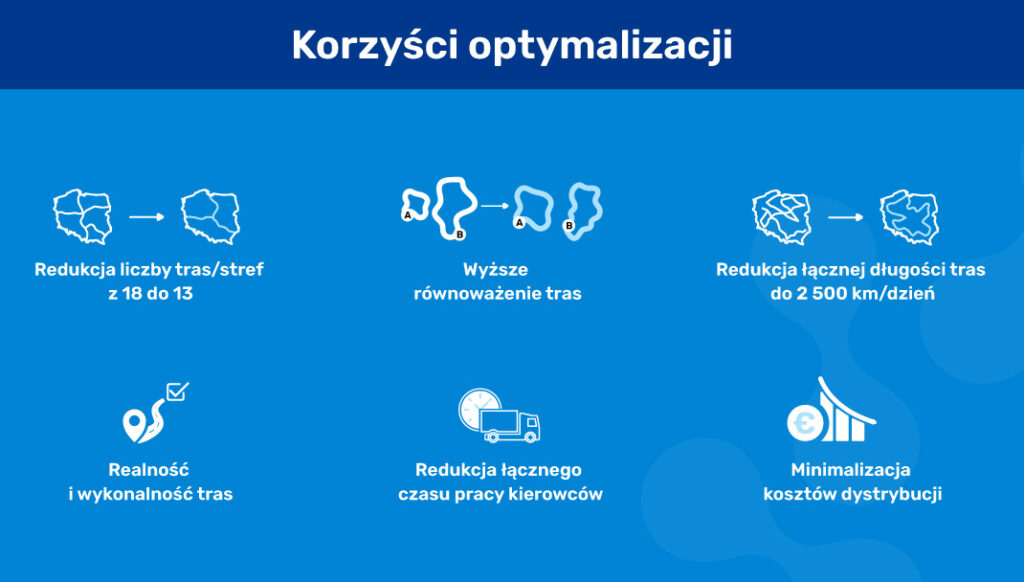
“One of the analyses carried out for a network of pharmaceutical wholesalers (13 distribution centres, 2,500 pharmacies, over 100 vehicles) regarding transport zones and routes resulted in the following benefits: a 17 per cent reduction in the number of zones (routes) by 17 per cent and the total length of routes by up to 2,500 km per day, which in turn led to a reduction in drivers’ total working time. “The challenge in this project was undoubtedly to devise the most feasible routes,” emphasises Krzysztof Hołowacz. This planning involved ensuring that each route covered a similar distance, served a similar number of pharmacies and hospitals, and carried a similar volume of goods. It therefore proved equally important to forecast order volumes and make optimal use of the vehicle’s load space. Ultimately, however, the goal of minimising distribution costs was achieved by making the actual journeys more realistic and optimising the use of the available fleet,” he adds.”